
How to Hire a Destination Wedding Photographer in France
Booking a wedding photographer can feel nerve-wracking at the best of times. It becomes even harder when you are planning a wedding in France from the UK, the US or somewhere else entirely.
You may be booking a château in the Languedoc while sitting in New York, London or Los Angeles. You cannot easily meet your photographer for coffee. You may not be able to visit the venue together. Most of the decision has to happen over email, video calls and trust.
That is why choosing the right destination wedding photographer in France matters so much.
You need more than a beautiful portfolio. You need someone who understands French venues, local light, travel times, weather, rural logistics and the rhythm of an international wedding day. A photographer based in France is already here. They are not relying on flights, border checks, lost luggage or last-minute travel plans to reach your wedding.
Kerry Morgan Photography is based near Pézenas in the South of France and works across Occitanie, the Languedoc and Provence, photographing weddings in châteaux, vineyards and private estates. I regularly work with UK and US couples planning their weddings from abroad, so I understand how much clear communication, practical advice and local knowledge matter before you ever arrive in France.
This guide explains how to hire a destination wedding photographer in France, what to ask before you book, how to compare portfolios and pricing, and what to check before signing a contract.
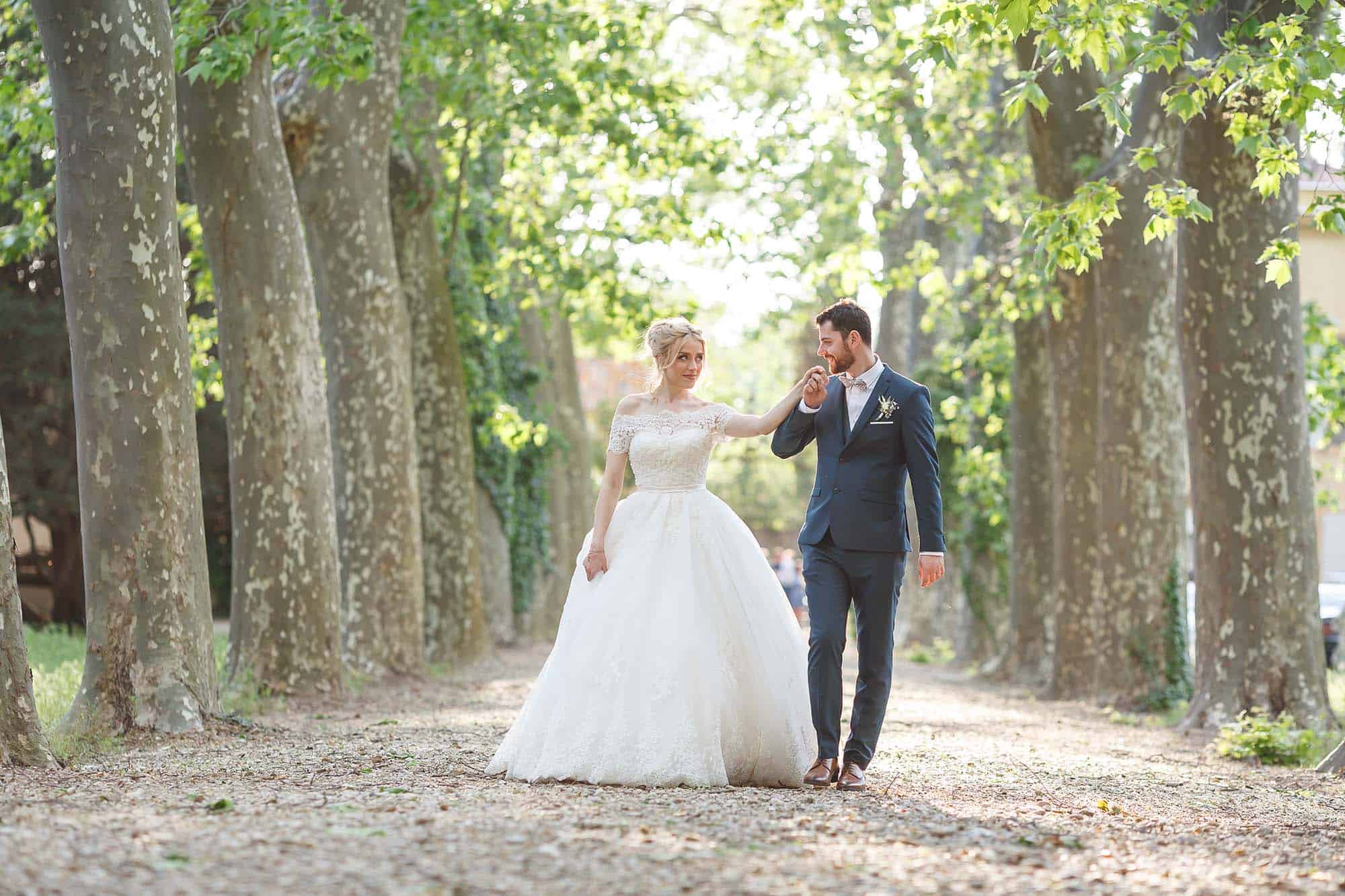
Why local experience matters when choosing a destination wedding photographer in France
Many couples start their search on Instagram. That makes sense. You see a beautiful image, like the style, and want your wedding to feel the same.
But a good aesthetic does not tell you everything.
It does not tell you whether a photographer can:
- work quickly in a château with difficult light
- handle a bilingual ceremony timeline
- know when the sun becomes too harsh for portraits
- adapt when dinner moves indoors because of weather
- understand how French venues actually run on the day
Local experience matters because weddings in France are not all the same. A vineyard wedding in the Languedoc is very different from a château wedding in Provence or an elopement in Paris.
A photographer who works regularly in the region will usually understand the light, the travel times, the heat, the venues and the slower rhythm of destination weddings. They are less likely to be surprised by the practical details.
For example, a photographer who has worked often at a venue like Château Les Carrasses in August will know where the harsh midday shadows fall, when the light softens, and which parts of the venue work best at different times of day. That knowledge affects the photographs. It helps with portraits, group photos, ceremony planning and the flow of the day.
It also helps with communication. A local photographer may already know the venue team, the layout, the access points and the places where timings often slip. That can make the day feel calmer and better organised.
For couples planning a wedding in France from the UK, the US or elsewhere, this kind of guidance is valuable. You need someone who understands international clients, answers clearly, and can give honest advice about timing, light, travel and logistics before you arrive in France.
Awards, editorial features and publication credits can also be useful. They show that a photographer’s work has been seen and selected by editors or industry platforms. But they should not be the only thing you look at when thinng about How to Hire a Destination Wedding Photographer in France.
If a photographer says they know the Languedoc, Provence or the South of France, their work should show real weddings across that region. Look for full galleries, different venues, different weather, different light and different types of wedding days.
A strong Instagram feed is lovely. A photographer who understands the place, the light and the practical reality of a wedding in France is much more valuable.
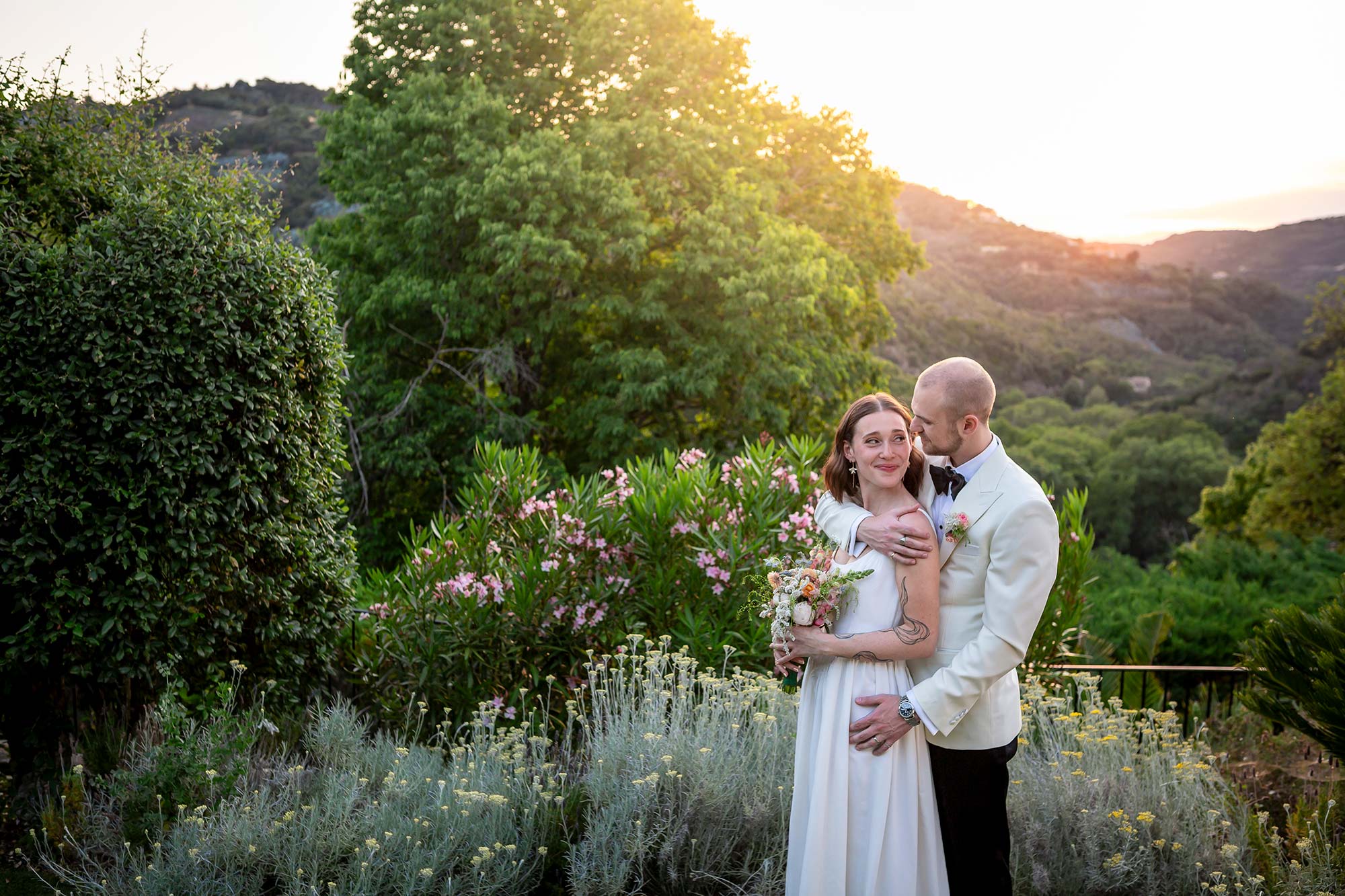
How to review a destination wedding photographer’s portfolio
A great portfolio can get a photographer onto your shortlist. But it should not be the only reason you book.
When you are choosing a destination wedding photographer in France, the real question is not just, “Do I like these images?”
The better question is:
Can this photographer produce strong work across a whole wedding day?
1. Ask to see a full wedding gallery
Many photographers show a small selection of highlights. That tells you what their best images look like, but it does not show you their consistency.
Ask to see a complete gallery from a recent wedding.
Look at:
- getting ready photographs
- ceremony images
- family groups
- candid reception moments
- speeches
- couple portraits
- evening or low-light photographs
You are looking for a photographer who can handle the whole day, not just golden hour portraits.
2. Check how they handle difficult light
A wedding in France can involve very different lighting conditions in a single day.
There may be bright sun during the ceremony, dark château interiors, shaded courtyards, candlelit dinners, stone barns, vineyards at sunset, and outdoor dancing after dark.
Look for:
- good exposure
- natural skin tones
- sharp focus
- consistent colour
- images that still feel like the same wedding
If the work only looks strong in perfect light, that is worth noticing.
3. Look carefully at the colour editing
Colour matters. A lot.
Some wedding photographers rely heavily on presets, filters or fashionable editing styles. These can look impressive at first glance, but they often distort the real colours of the day.
Ask yourself:
- Does the grass look like real grass?
- Do skin tones look natural?
- Is the wedding dress actually white, or has it turned cream, grey or yellow?
- Do the flowers look close to their real colour?
- Does every image have the same orange, brown, green or faded wash over it?
A strong editing style should still respect the atmosphere of the day. It should not make a summer wedding in France look muddy, overly orange, washed out or artificially green.
Trends come and go. Clean, careful colour editing lasts much longer.
4. Look for consistency, not just beautiful moments
A full gallery should feel coherent from beginning to end.
The editing should not change dramatically between locations. Images inside a stone château should still feel connected to images taken outside in a vineyard.
If the style shifts completely from one setting to another, it may mean the editing is covering technical problems.
5. Ask for weddings similar to yours
If you are marrying at a vineyard in the Hérault, ask to see weddings from similar properties.
A wedding in Occitanie has a different feeling from a lavender estate in Provence or a formal château in the Loire Valley. The light, colours, buildings and landscapes are not the same.
In the Hérault, you may have vine rows, pale limestone, dry summer light, terracotta roofs, old stone walls and long outdoor dinners. A photographer who already understands that setting will usually make better decisions on the day.
6. Notice how easily they share examples
A confident photographer should be happy to show you full galleries or relevant examples of similar weddings.
If they only send a few polished highlights, or avoid showing complete work, pay attention. A destination wedding is too important to judge from a handful of Instagram images.
A beautiful portfolio matters. But when you are thinking about How to Hire a Destination Wedding Photographer in France, consistency across a full real wedding matters more.

What does destination wedding photography in France cost?
Destination wedding photography in France can vary widely in price. The final cost usually depends on the photographer’s experience, where the wedding is taking place, how long you need coverage for, how many events are involved, and what is included in the package.
The cheapest quote is not always the best value. The most expensive quote is not automatically the best fit either.
When comparing destination wedding photography prices in France, look carefully at what you are actually receiving.
1. What is included in the photography package?
Most wedding photography packages in France include:
- coverage on the wedding day
- professional editing
- a private online gallery
- high-resolution digital files
- personal print rights
Some photographers also include local travel within a certain area. Others charge separately for travel, accommodation, extra events or additional hours.
Before you compare prices, make sure you are comparing the same things.
2. How much coverage do you really need?
A smaller wedding or elopement may not need the same level of coverage as a large multi-day destination wedding.
Some couples only need photography from preparations through to dinner. Others want coverage into the dancing, a second photographer, a pre-wedding event, a fine-art album or an extended gallery.
This is why destination wedding photography packages in France are often built around the shape of the day, not just a fixed hourly rate.
3. Are you paying for experience, not just time?
When you hire a destination wedding photographer in France, you are not only paying for the hours spent taking photographs.
You are also paying for someone who can:
- work confidently in changing light
- handle unfamiliar venues
- understand the rhythm of a destination wedding
- manage relaxed international timelines
- photograph mixed-language ceremonies
- make good decisions quickly on the day
A photographer who knows weddings in France will usually bring more than a camera. They bring local knowledge, calm judgement and experience with the practical realities of French venues.
4. Is travel included?
Most France-based photographers working with international couples will either include reasonable local travel in their quoted price or explain travel costs clearly before booking.
Ask whether travel is included, especially if your wedding is in a rural château, vineyard or private estate.
Also ask whether accommodation is needed. A photographer based within reach of your venue may not need overnight accommodation, which can keep the quote simpler and more predictable.
5. Is VAT included?
When comparing wedding photography prices in France, ask whether VAT is included.
Some photographers in France work under the auto-entrepreneur system and may not charge VAT, depending on their turnover and business status. Others are VAT registered.
This can affect the final price, so it is worth checking before you compare quotes like for like.
6. Does a lower price mean less experience?
Not always.
The right photographer is not always the most expensive one, and a lower package does not always mean the photographer is inexperienced.
A lower price may simply reflect:
- shorter coverage
- a smaller wedding
- fewer extras
- local travel included
- a photographer offering a more flexible option for intimate weddings and elopements
For example, a small wedding in the South of France with coverage from preparations through to dinner will usually be priced differently from a full weekend destination wedding with multiple events, a second photographer and an album.
7. What is the best way to compare quotes?
Do not compare wedding photographers on price alone.
Compare:
- experience
- full galleries
- editing quality
- delivery timeline
- insurance
- local knowledge
- travel costs
- what is included in the package
A clear quote should make it easy to understand what you are paying for.
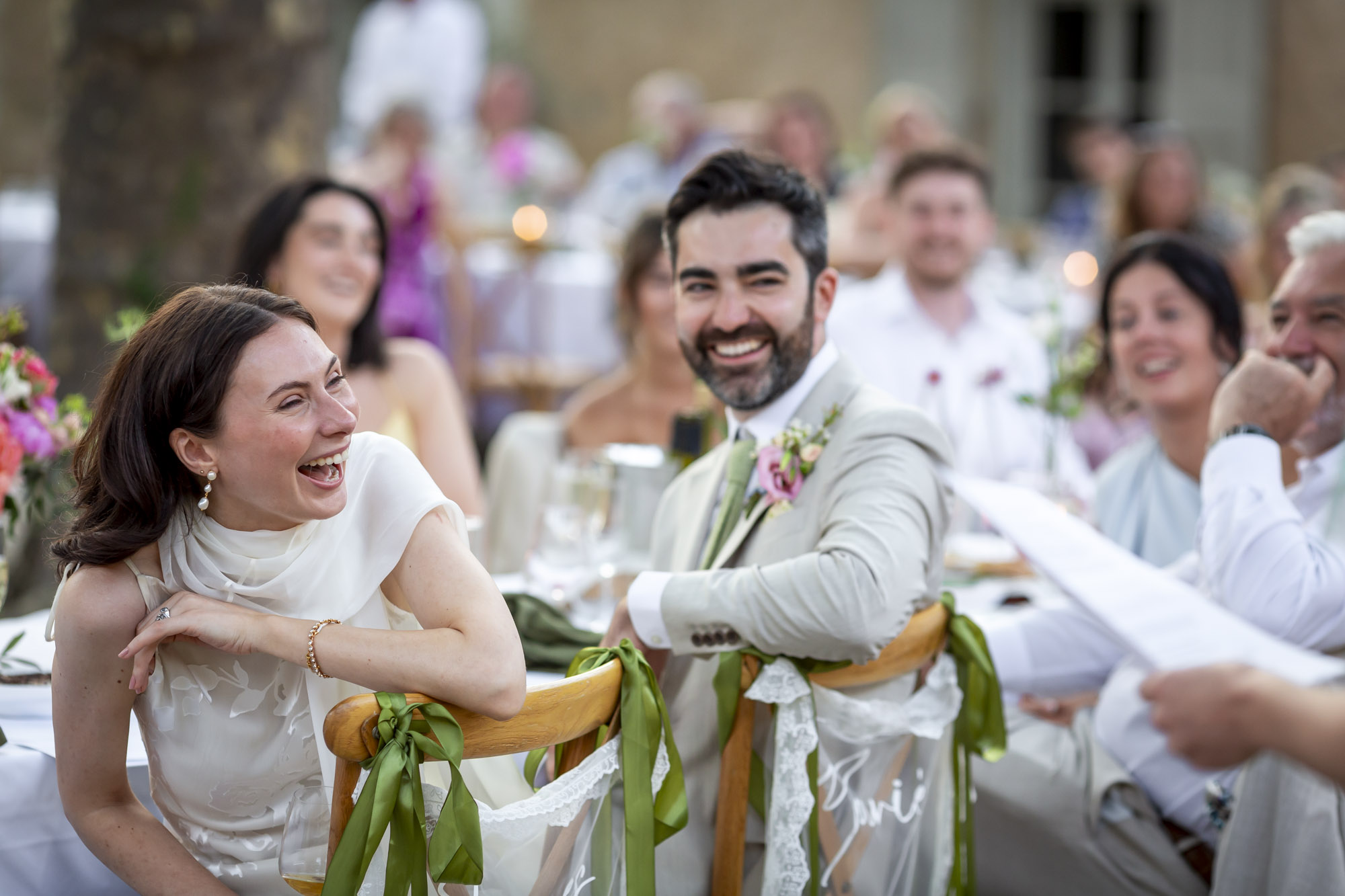
The questions to ask before you hire a destination wedding photographer in France
Before you book a destination wedding photographer in France, ask these questions in writing. A good photographer should be able to answer them clearly.
1. What exactly will we receive?
Ask how many edited images you can expect, when the gallery will be delivered, and what format the photographs will be supplied in.
You want clear answers on:
- the approximate number of edited images
- the delivery timeline
- high-resolution digital files
- personal print rights
- whether the gallery is fully edited
“A few months” is not a proper delivery term. Ask for a clear delivery date or delivery window in the contract.
Most professional wedding photographers do not provide raw files, so make sure you know whether you are receiving a finished edited gallery or files that still need work afterwards.
2. What is your backup plan?
A destination wedding in France can bring extra practical challenges. Weather can change quickly, château venues can be spread across several buildings, ceremonies may move indoors at the last minute, and rural locations are not always easy to reach.
Ask:
- What happens if your camera fails?
- Do you shoot with backup equipment?
- What happens if you are ill or unable to photograph the wedding?
- How do you handle an outdoor ceremony in unexpected rain?
A professional photographer should not be vague about this. They should have a clear, practical answer.
3. Are you actually based in France?
There is a big difference between a photographer who lives and works in France and someone flying in for the weekend.
A France-based wedding photographer is already in the country, understands local travel times, knows how French venues tend to work, and is less exposed to the risk of cancelled flights, missed connections, lost luggage or border delays.
This matters because your wedding cannot be repeated.
4. If you are travelling from outside the EU, are you legally allowed to work in France?
If your photographer is travelling from outside the EU, like the UK for instance, ask them to confirm in writing that they are legally permitted to work commercially in France.
They should have checked the current visa, entry and work rules before accepting the booking.
UK photographers can usually enter France without a short-stay visa, but visa-free tourist entry is not the same as automatic permission to work. France-Visas states that UK nationals coming to France for paid activity of 90 days or less benefit from a short-stay visa waiver, but work authorisation is required unless the activity falls under a specific exemption.
This is not just paperwork. Photographers without the right documents can face delays at the border and, in some cases, may be refused entry if they cannot clearly show the purpose and conditions of their stay.
5. When are you arriving in France?
A photographer arriving the night before the wedding, or on the morning itself, creates unnecessary risk.
Flights can be delayed. Connections can be missed. Luggage can go missing. Border checks can take longer than expected.
Ask when they plan to arrive and what their backup plan is if travel goes wrong. If they are already based in France, that risk is much lower.
6. Do you have insurance and a proper contract?
Your contract should be written, detailed, and clear on copyright and usage rights. In France, the photographer usually retains copyright unless there is a written agreement stating otherwise, so your contract should explain what you are allowed to do with the images after the wedding. Does your photographer have insurance that covers them to work in France?
You should also confirm that the photographer carries professional liability insurance, as some château venues require proof of insurance before allowing a supplier to work on site.
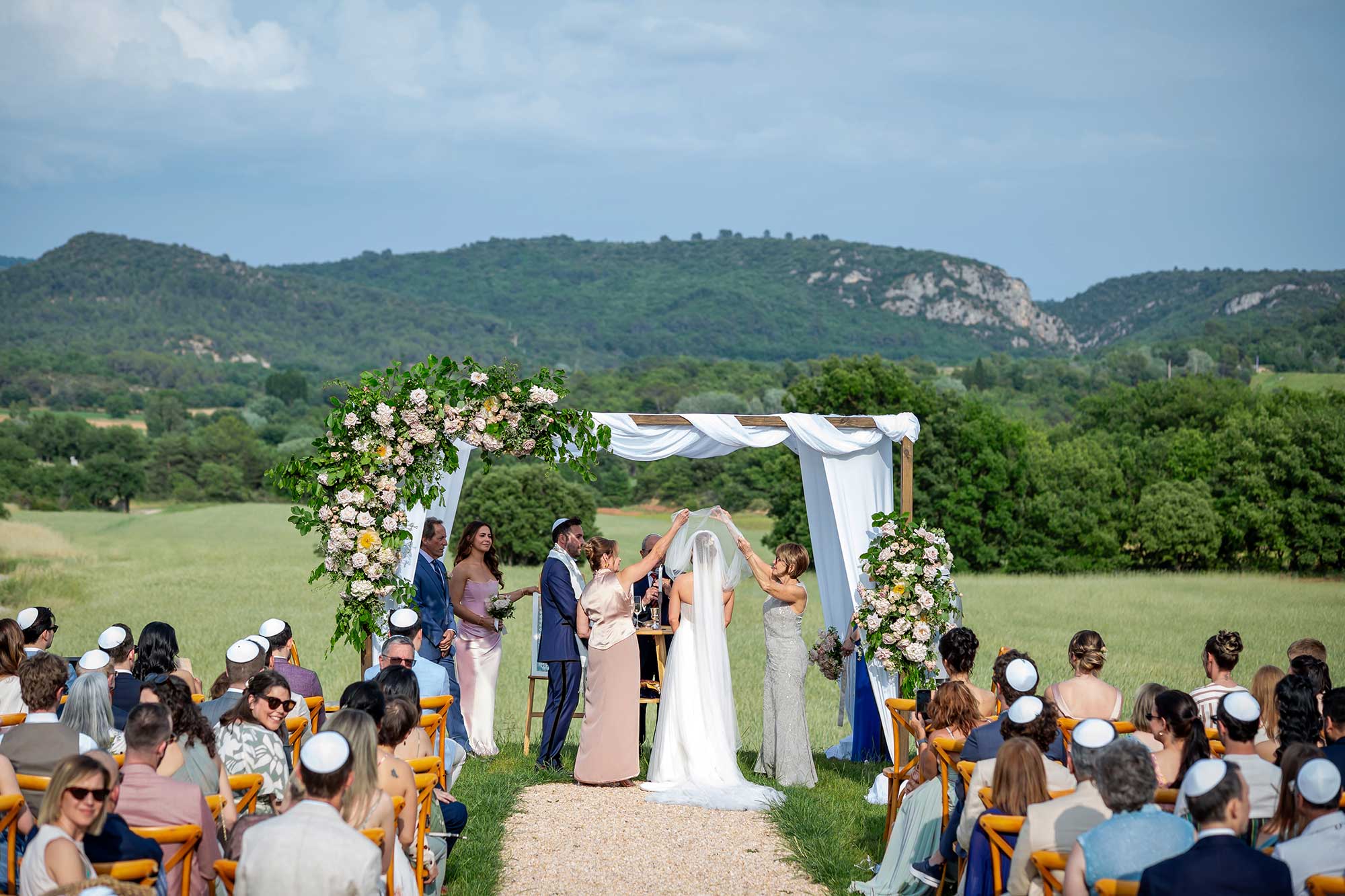
How far in advance should you book a wedding photographer in France?
The South of France wedding season usually runs from May to October, with June and September often being the busiest months.
If you are planning a Saturday wedding in Provence, the Hérault, the Languedoc or another popular part of southern France, it is sensible to book your photographer 12 to 18 months in advance.
That may sound early, but good photographers often take a limited number of weddings each year. Once a peak Saturday is booked, it is gone.
For larger weddings
If you are planning a wedding with around 80 guests or more, aim to enquire 12 to 18 months before your date.
Larger weddings usually need more planning, more coordination and more experienced suppliers. The earlier you start, the more choice you will have.
This matters especially if you are planning from the UK, the US or another country and need suppliers who are used to working with international couples.
For smaller weddings and elopements
If you are planning a smaller wedding of around 30 to 40 guests, or a relaxed elopement in France, you may have a little more flexibility.
In many cases, 8 to 12 months can still work, especially if your date is not a peak Saturday.
That said, popular venues and experienced France-based wedding photographers can still book up quickly, especially for May, June, September and early October.
If your date is flexible
You may have more options if you are open to:
- a Friday wedding
- a Sunday wedding
- a weekday elopement
- April or October
- shorter photography coverage
- a smaller, more flexible package
These dates can sometimes give you more availability, and occasionally a little more room on pricing too.
Why early enquiries help
Booking early is not just about securing the date. It also gives you time to choose properly.
You can ask to see full galleries, check the contract, discuss the timeline, understand what is included and make sure the photographer is the right fit for the kind of wedding you are planning.
Kerry Morgan Photography is based near Pézenas in the South of France and takes on a limited number of weddings each year. If you are planning a wedding in the Languedoc, the Hérault, Occitanie or Provence, it is always worth enquiring as early as you can, especially for a Saturday in peak season.

How to find and shortlist destination wedding photographers in France
Once you know what to look for, the search becomes much easier.
Start with the obvious places, but do not stop there.
You can look at:
- wedding directories, such as French Wedding Style, Junebug Weddings, World’s Best Wedding Photos and Style Me Pretty
- real wedding features from venues similar to yours
- Pinterest searches by region, venue or wedding style
- Instagram location tags
- recommended supplier lists from French venues
- Google searches for photographers in your actual wedding region
Useful search terms might include:
- destination wedding photographer France
- wedding photographer South of France
- Languedoc wedding photographer
- Occitanie wedding photographer
- Hérault wedding photographer
- Provence wedding photographer
- château wedding photographer France
- vineyard wedding photographer France
If you already have a venue, search by the venue name too. For example, try searches such as Château Les Carrasses wedding photographer, Languedoc château wedding or Occitanie vineyard wedding. This can help you find photographers who have worked in venues or landscapes similar to yours.
Check their website, not just their Instagram
Instagram is useful for first impressions, but it is not enough.
Once you find a photographer you like, go to their website and look more carefully.
Their website should help you understand:
- where they are based
- which regions of France they work in
- whether they photograph weddings like yours
- whether they show full weddings or only highlights
- how they work with couples planning from abroad
- what kind of experience they have with French venues
A photographer who says they specialise in weddings in France should be able to show more than one pretty château. Look for real depth: different venues, different light, different seasons and full wedding days.
Make a focused shortlist
Do not contact twenty photographers at once. It quickly becomes confusing.
Choose a small shortlist of photographers whose work feels right and whose experience matches your wedding.
Look for:
- a style you genuinely like
- consistent editing
- full galleries
- clear communication
- regional experience
- proper insurance
- a written contract
- experience with international couples
This will give you a much stronger shortlist than simply choosing the first photographer you see on Instagram.
What to include when you enquire
When you first contact a photographer, give them enough information to reply properly.
Include:
- your wedding date
- your venue name or region
- your approximate guest count
- the kind of coverage you are considering
- whether you are planning from the UK, the US or elsewhere
- what drew you to their work
A good enquiry does not need to be long. It just needs to be clear.
If you are planning a wedding in the South of France
Kerry Morgan Photography is based near Pézenas and photographs weddings across the South of France, including the Languedoc, Hérault, Occitanie and Provence.
My work is especially suited to couples planning château weddings, vineyard weddings, intimate weddings and private estate celebrations in France. I work with many UK and US couples planning from abroad, with a documentary approach that focuses on real moments, natural portraits and calm, practical guidance before the day.
Hire a destination wedding photographer in France with confidence
Hiring a destination wedding photographer in France becomes much easier when you know what you are actually looking for.
A beautiful portfolio matters, but it is only part of the decision. Look for local experience, full galleries, clear pricing, proper insurance, a written contract and a photographer who understands the practical reality of weddings in France.
Give yourself time. For popular dates in the South of France, especially Saturdays in May, June, September and early October, it is sensible to enquire 12 to 18 months ahead.
Ask direct questions. Where are they based? Have they worked at venues like yours? Can they show full galleries? What is included in the price? What happens if something goes wrong? Are they legally able to work in France?
The right photographer should make the process feel clear from the first reply. They should help you understand the light, the timing, the venue, the coverage and the practical details before you arrive in France.
That is what gives you confidence: not just lovely images, but the feeling that your photographer knows the place, understands the day, and can be trusted to document it properly.